
New & new-to-you bikes
Mastering your machine: getting to know your bike (new or new-to-you)
18 September 2026
4 min readStepping into the garage to gear up for a ride on a motorcycle that is brand new or simply new to you is one of the best feelings on two wheels.
Whether you have just rolled a factory-fresh machine off the showroom floor, stepped up to a higher licence tier, or picked up a well-loved second-hand keeper, the excitement is identical.
At One Split Second, we are all about building sharper habits and making calmer choices in the saddle. When you ride a bike you aren't completely familiar with, your mental bandwidth gets eaten up by trying to figure out control reaches, engine quirks, and handling balance. Taking time to deliberately get to know your machine before pushing the pace ensures your inputs stay smooth and natural when a split second counts.
Here is our practical, rider-to-rider guide to getting acquainted with your machine.
Static check
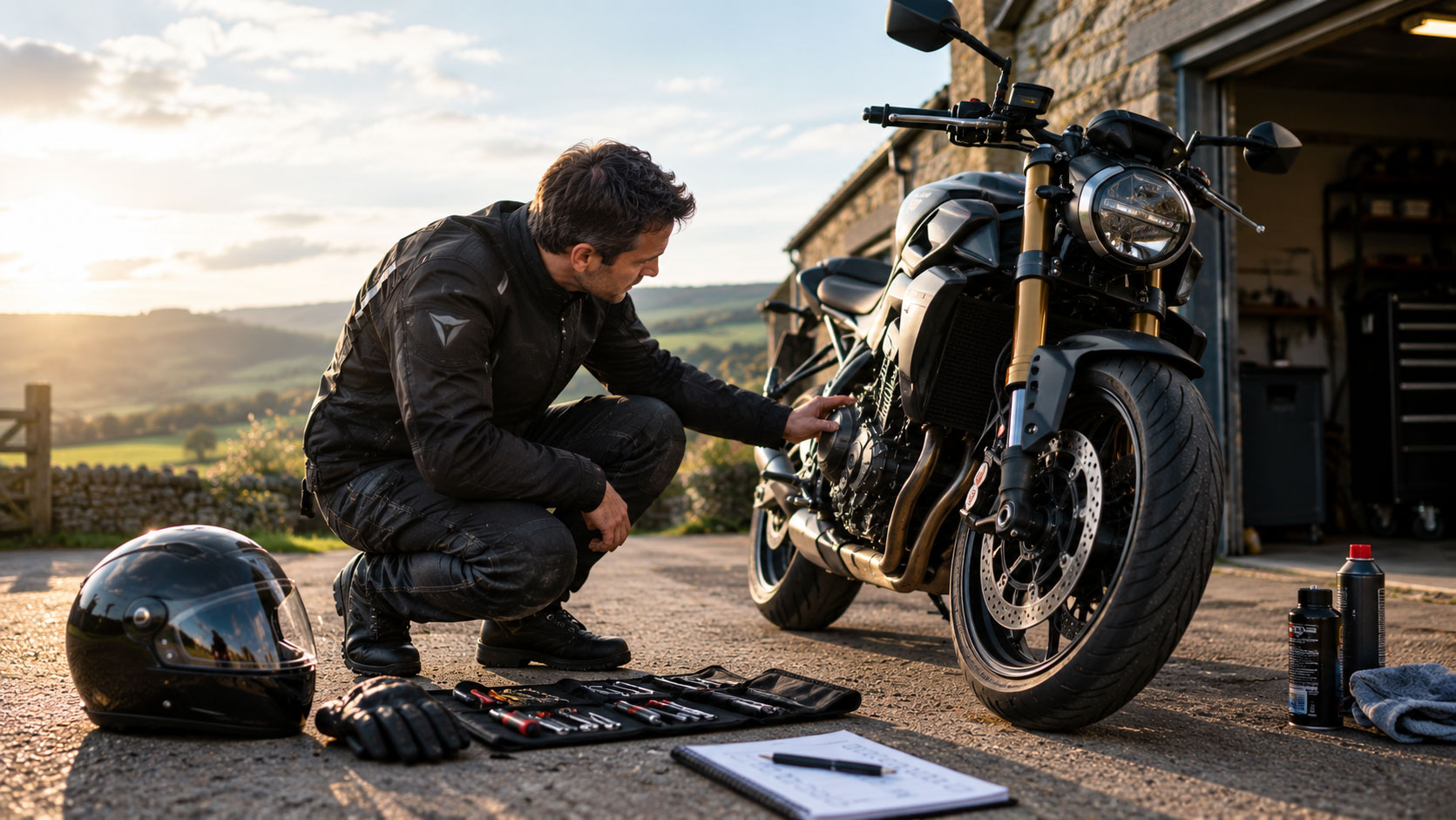
Perform a deep static check (before you click into first)
Before going anywhere, spend 15 minutes in the garage running through a full static inspection. Even if the seller or dealer promised it was "ready to go," verifying it yourself builds trust in your machine.
The T-CLOCS reset: Check cold tyre pressures, inspect tread depth, check oil sight glasses, test all lights and indicators, and verify chain tension and lubrication.
Tweak the ergonomics: Adjust your brake and clutch levers to suit your hand reach so you aren't stretching or awkwardly bending your wrists. Make sure the handlebars allow a comfortable, relaxed bend in your elbows.
Control checks: Sit on the bike and test the throttle, it should snap back cleanly when released at full lock in both directions. Confirm the front brake lever feels firm, not spongy.
"Electronics and high horsepower provide a safety net, but they can't replace the confidence that comes from knowing your physical controls fit your hands perfectly."
Engine & clutch
Get to grips with engine character & friction zones
Every motorcycle engine delivers power differently, a high-revving inline-four, a punchy parallel twin, and a torquey V-twin demand very different throttle and gear inputs.
The clutch friction zone: Before pulling out onto busy roads, practice finding the bite point on your driveway or quiet street. Learn where the clutch begins to engage so your slow-speed maneuvers, junction pull-outs, and U-turns feel natural and smooth without sudden stalling.
Braking and gear ratios: Get a feel for the engine braking. Some bikes slow down aggressively the moment you roll off the throttle, while others coast freely. Knowing how your engine reacts helps you pick the right gear before entering bends.
Handling dynamics
Test the handling dynamics in a controlled space
A different bike means a different weight distribution, seat height, and steering geometry. A heavy touring bike or tall adventure machine handles entirely differently at low speeds compared to a lightweight naked or sporty roadster.
Low-speed drills: Take the bike to a quiet car park or clear industrial estate. Spend 15 minutes practicing smooth figure-of-eights, slow slaloms, and gentle stopping drills.
Understanding steering pressure: Practice gentle counter-steering inputs to see how quickly the bike leans into a turn. Some bikes turn in with the slightest nudge of the bars, while heavier machines require deliberate, progressive pressure.
Building pace
Build up miles & pace progressively
The biggest trap when riding a new machine is trying to match your old riding pace right away.
Drop the timeline: Give yourself permission to ride at 70% of your normal pace on your first few outings. Focus on early braking, setting smooth entry speeds, and scanning far down the road.
Use the limit point: When riding unfamiliar B-roads on an unfamiliar bike, let the limit point set your pace. Always ensure you can come to a smooth, controlled stop in the distance you can see clear on your side of the road.
Quick checklist
Run a full static check (T-CLOCS) and set your levers and bars to your reach before you ride
Find the clutch bite point on a quiet street before pulling into traffic
Practise low-speed drills — figure-of-eights, slaloms, controlled stops — in an empty car park
Ride at around 70% of your normal pace for the first few outings
Don't trust a seller's or dealer's word that the bike is "ready to go" — verify it yourself
Don't try to match your old bike's pace straight away
Notice how quickly the bike turns in on gentle counter-steering pressure
Check you can still stop within the distance you can see clear (the limit point) on unfamiliar roads
The One Split Second take
Getting to know a new or new-to-you motorcycle isn't a race. It is a rewarding process of tuning your muscle memory to a fresh piece of engineering. By taking time to set up your controls, test the handling in low-risk environments, and build pace gradually, you keep your mental bandwidth completely open for reading the road ahead.
For step-by-step video tutorials on adjusting levers, setting chain tension, and doing pre-ride safety inspections, keep an eye on our sister platform, Motorcycle Basics.
What bike have you recently picked up, or what's next on your wishlist? Drop a comment on our Facebook Community page and swap stories with the rest of the UK biking community!
Ride safe, keep it calm, and enjoy getting to know your new machine.
We want your rider stories to help others learn.
Drop us an email at: