
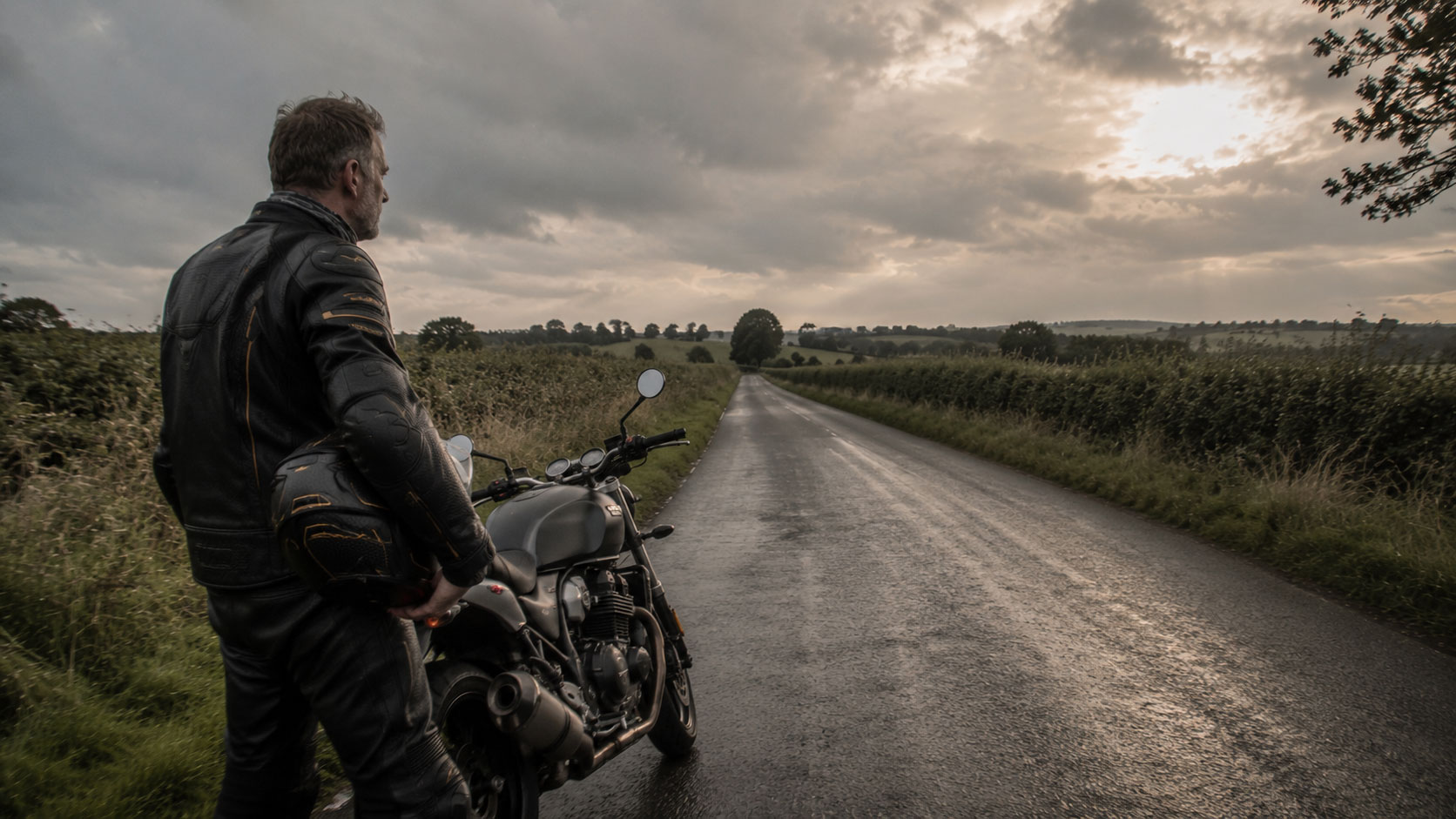
Returning Riders: The Gap in Your Skills Nobody Warns You About
30 June 2026
3 min readEvery year, thousands of people in the UK get back on a motorcycle after a gap of years — sometimes decades. It might be retirement, kids leaving home, a desire to rediscover a past passion, or simply an itch that never quite went away.
Getting back on a bike after a long break is brilliant. It can be genuinely life-changing in the best way. But it comes with a specific set of risks that too many returning riders don't take seriously enough.
The confidence gap
Here's the thing about returning riders: the confidence is still there. The memories of how good it felt, how natural it was, how capable you were — they don't fade the way the skills do.
The result is a gap between how safe you feel and how safe you actually are. You feel like a rider. Your muscle memory is rustier than you think. That mismatch is where accidents happen.
You remember how to ride. Your body hasn't done it in five years, and the road will find it.
What actually fades during a long break
It's not necessarily the big skills that disappear. You probably haven't forgotten how to balance or operate the controls. What fades is the finer, automatic, split-second stuff:
Hazard perception
the constant, low-level reading of the road that happens almost subconsciously after years of riding
Smooth braking under pressure
the progressive, controlled inputs that prevent a lockup
Cornering confidence and judgement
especially at speed, on unfamiliar roads
Anticipation
predicting what other road users are about to do before they do it
All of these can return. But they need miles and practice to rebuild, not just willpower.
The bike has changed too
If you rode in the 1990s or early 2000s, the bike you ride today may be substantially more powerful, responsive, and sophisticated than what you remember. Modern bikes have traction control, ride modes, cornering ABS, and power outputs that have increased dramatically.
That's not necessarily a bad thing — modern electronics can genuinely help. But if you're not familiar with how your bike behaves, especially under hard braking or sudden throttle inputs, the technology can also mask problems until the moment it can't.
Returning rider checklist
Before and during your return to riding:
Consider a refresher course
IAM RoadSmart, BikeSafe, or CBT if required
Start on quieter roads
rebuild confidence before motorways or fast A-roads
Check your licence
rules and categories have changed, make sure you're legal
Review your gear
if it's years old, check condition, certifications, and fit
Take time to get to know your bike before riding in traffic
Assuming your skills are exactly where you left them
they're not
Starting back on a very powerful bike after a long break
Letting confidence from past experience override caution in the present
Give yourself a few solo sessions before group riding
Consider telling someone your route for the first few rides back
Refresher training is not an admission of weakness
One of the biggest barriers for returning riders is pride. You've ridden before. You don't need a lesson.
But BikeSafe courses, IAM RoadSmart training, or even a structured solo assessment day aren't lessons for beginners — they're tools for experienced riders who want to come back better than they left.
The riders who seek out further training are consistently the ones who go on to have the fewest incidents. That's not a coincidence.
The One Split Second take
Coming back to motorcycling is one of the best things you can do. Do it with honesty about where your skills actually are, patience to rebuild them properly, and the humility to accept that a bit of extra training is an investment, not a defeat.
Ride Safe.
You never really forget how to ride. But the road has got busier, the bikes have got faster, and you owe it to yourself to come back ready.
We want your rider stories to help others learn.
Drop us an Email at: