
Two Wheeled Adventure
Two Wheels and a Tent: The Practical Guide to Moto Camping
20 July 2026
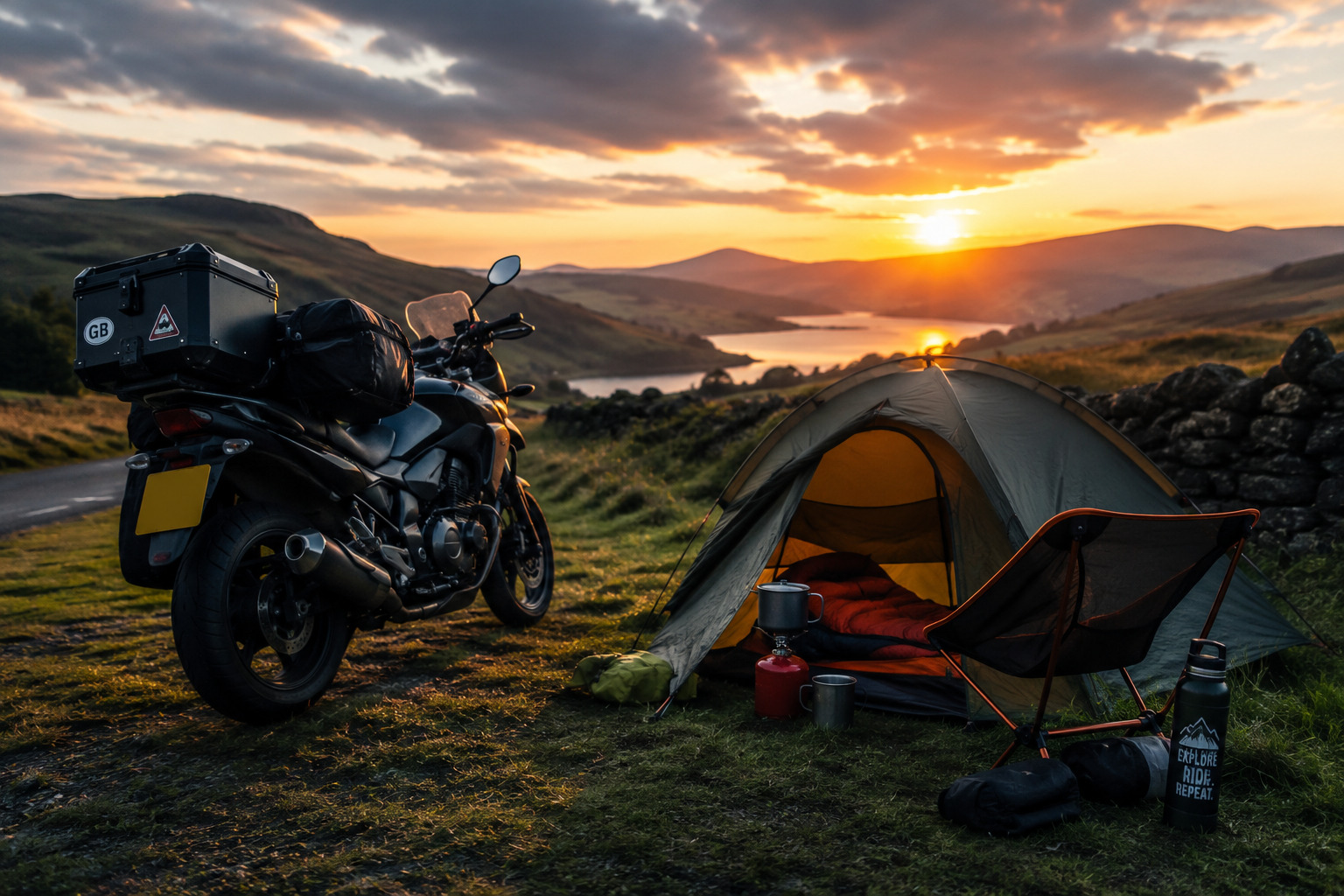
4 min readThere is something irreplaceable about strapping your life to the back of a motorcycle, heading down a sweeping country road, and setting up camp under the open sky. Moto camping combines the raw freedom of riding with the quiet reset of spending a night in nature.
As any experienced rider knows, adding a full camping load to a motorcycle alters the dynamics of your machine instantly. When you are combining a road trip with outdoor survival gear, your margin for error shrinks.
At One Split Second, we’re about making calmer choices, building sharper habits, and looking out for one another. Moto camping is a fantastic experience, but it takes intentional preparation to ensure a preventable mistake doesn't turn your weekend escape into a roadside emergency. Here is our practical, rider-to-rider guide to hitting the road securely.
The Art of Packing: Weight & Balance
A motorcycle handles beautifully when it's unladen, but throwing 20kg of gear onto the rear changes everything from your braking distance to your cornering lean angles.
Keep It Low and Centred:
Heaviest items (like tools, cooking stoves, or tins) should be packed at the bottom of your panniers or saddlebags, as close to the bike’s centre of gravity as possible. Putting heavy weight high up on top of a rear rack acts like a pendulum, making the bike feel top-heavy and unstable at slow speeds or when cornering.
Symmetry Matters:
Distribute weight evenly between the left and right sides of the bike. An unbalanced load will force you to constantly counteract a pull to one side, leading to physical fatigue over long miles.
The "Two-Knocker" Rule:
Secure everything with high-quality straps (like Rok Straps) rather than unreliable bungee cords. A loose strap flapping near a chain or catching in the rear wheel can cause a mechanical failure or a total loss of control in a single split second.
Adjust Your Machine For the Load
You wouldn't ride with a pillion passenger without tweaking your bike, and a full camping setup requires the same mechanical respect. Before setting off, do your essential checks:
Suspension Sag:
Increased rear weight compresses your rear shock, altering the bike's steering geometry and reducing front-wheel traction. Increase your rear suspension preload to compensate for the extra gear.
Tyre Pressures:
Check your owner's manual for fully loaded tyre pressures. Running under-inflated tyres under a heavy load causes excessive heat buildup, severe handling instability, and an increased risk of a sudden puncture mid-corner.
Headlight Alignment:
A compressed rear end tilts the front of your bike upward, blinding oncoming traffic and reducing your own visibility if your ride runs late into the evening dusk. Adjust your headlight beam downward before you head out.
Ride the Bike You Have Now
Once you are on the tarmac, remember that you are operating a heavier, wider, and less agile vehicle than your everyday ride.
Double Your Braking Distances:
The extra mass means your brakes have to work significantly harder to shed speed. Give yourself a massive buffer zone when approaching junctions, hazards, or slow-moving traffic.
Mind Your Width:
If you are using wide hard panniers for the first time, your muscle memory for filtering through tight spaces will trick you. Take extra time, stay patient, and avoid aggressive overtakes or rushed choices.
Manage Fatigue:
Riding a heavily loaded bike requires more physical and mental effort. Combined with variable UK summer weather, heat or cold can quickly induce brain fog. If you feel your focus drifting, pull over, take off your lid, hydrate, and reset. No destination is worth pushing through a wall of physical exhaustion.
Setting Up Camp Safely
When you finally arrive at your campsite or legal wild-camping spot, your safety checks aren't quite over.
The Sidestand Sink:
Tarmac can soften under hot sun, and grass or dirt is naturally forgiving. A heavily loaded bike left on soft ground will slowly sink and topple over. Always carry a small sidestand puck (or a crushed drinks can) to spread the weight of your stand.
Park for an Easy Exit:
Park on firm, level ground. If you must park on a slope, leave the bike in first gear with the rear tire facing downhill against the curb or an incline so it cannot roll forward off its stand.
Look Out For Each Other
Moto camping is all about exploring the best country roads and enjoying life in the saddle with minimal clutter. By taking five minutes to check your load, adjust your pressure, and stay calm on the road, you keep the focus exactly where it belongs: enjoying the journey.
Have you got a go-to moto camping tip or a story from a road trip gone wrong that taught you a hard-earned lesson? We turn real rider experiences into plain-language advice to help keep the community safe.
Send an Email below, or hop into our One Split Second Facebook Community to share your setup, swap tips, and connect with other UK bikers.
Ride safe, keep it calm, and enjoy the trip!
We want your rider stories to help others learn.
Drop us an Email at: